Improving home insulation is a powerful way to reduce energy costs, increase comfort, and lower your carbon footprint. Several insulation methods can be applied in various parts of a home—like the loft, walls, and floors—each with different benefits and costs. The UK government also offers grants through programmes like the Great British Insulation Scheme to assist with installation costs, especially for low-income households or homes with lower energy efficiency ratings
Loft and Roof Insulation
Approximately 25% of heat loss in a home occurs through the roof. Installing insulation in the loft can effectively prevent this and reduce heating bills by up to £285 per year in a typical UK home. Loft insulation materials often include mineral wool rolls, which are laid between joists, or rigid insulation boards, which are ideal for sloped roofs but more expensive. Mineral wool is relatively affordable and can often be installed by the homeowner if the loft is accessible. For properties planning to convert a loft into a living space, it’s essential to insulate walls and ceilings with additional ventilation to prevent condensation. Loft insulation typically lasts 40 years, offering an extended period of savings on energy bills.
Wall Insulation
Wall insulation can greatly enhance a home’s energy efficiency, though the type depends on the wall construction. Cavity wall insulation is effective for homes with cavity walls (typically post-1920s builds), where insulation material is injected into the wall gaps, providing up to £300 in annual savings. Solid wall insulation, which is more common in older homes, can be installed on the wall’s exterior or interior but is more likely to require professional installation. It can result in even greater energy savings, up to £410 per year.
Floor Insulation
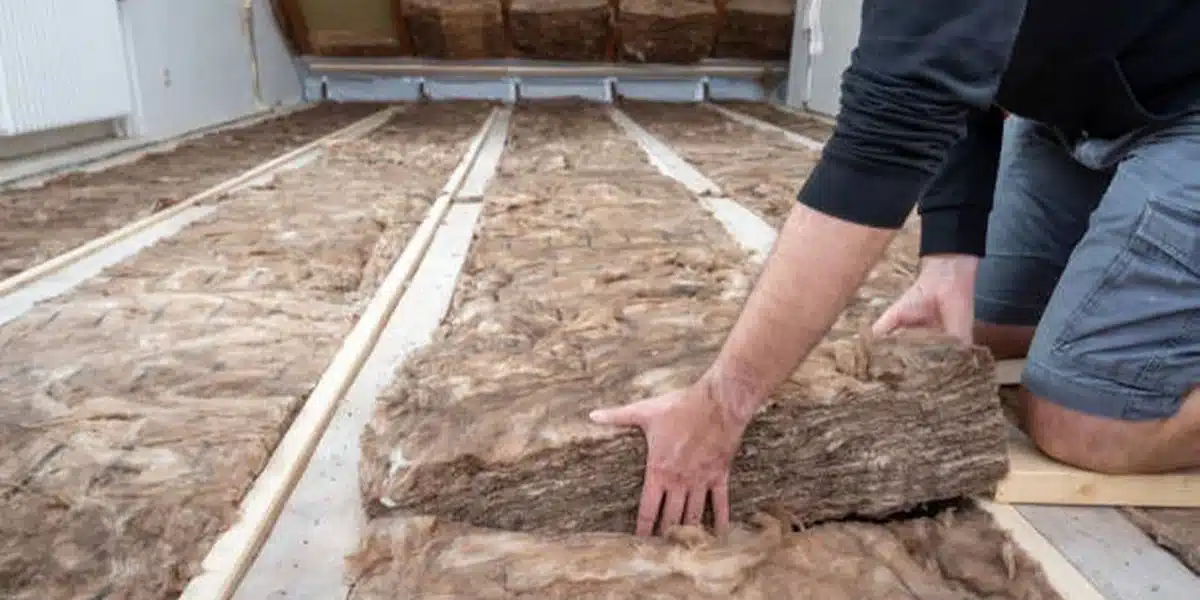
Ground floors are another area where heat can escape, particularly if they are suspended floorboards with gaps. Insulating these floors can reduce draughts and save around £85 per year. Typically, insulation boards or mineral wool can be installed under floorboards, though this is often more challenging in homes without accessible underfloor spaces. Floor insulation may have a higher installation cost relative to annual savings but provides a more comfortable environment and better long-term efficiency.